
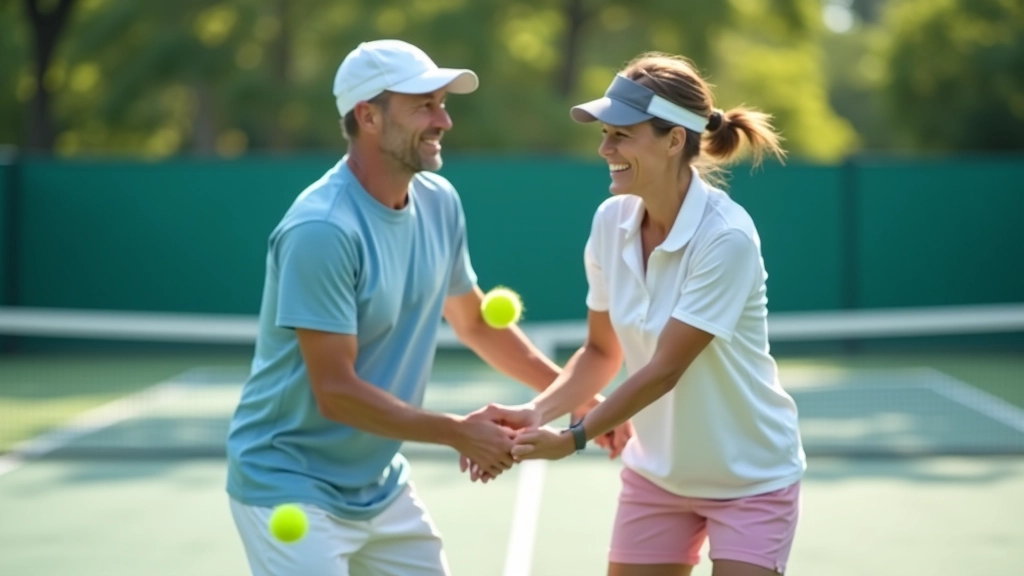
Tournament Prep and Match Day Planning
A complete checklist for tournament registration, what to bring, warm-up routines, and mental preparation that makes a real difference in your performance.
Why Preparation Matters
Tournament day isn't just about showing up and playing. It's about arriving calm, confident, and ready. Most players underestimate how much a solid preparation routine impacts performance. You'll notice the difference immediately — sharper serves, better court awareness, and way less stress between matches.
This guide breaks down exactly what you need to do, when to do it, and why it matters. We've organized it into four phases: pre-tournament prep, arrival and registration, warm-up protocol, and mental readiness. Follow this, and you'll feel genuinely prepared instead of just hoping things go well.
Phase 1: Pre-Tournament Prep (One Week Before)
Equipment Check
Test your rackets now, not the morning of. Hit with each one for 20-30 minutes. Check grip tension, string condition, and overall feel. Bring at least two rackets to any tournament — that's non-negotiable. You'll also need fresh grip tape, extra socks, and a towel that doesn't slip.
Court Time
Get on court 2-3 times this week. Not grinding, just playing naturally. Your body needs to remember the movement patterns. Doubles specifically — practice positioning, communication, and recovery between points. That muscle memory shows up on tournament day.
Sleep & Nutrition
Start sleeping better now. Aim for 7-8 hours the three nights before. Eat balanced meals with good protein. Stay hydrated throughout the week. Your body won't perform well if you're tired or dehydrated — this is basic but essential.
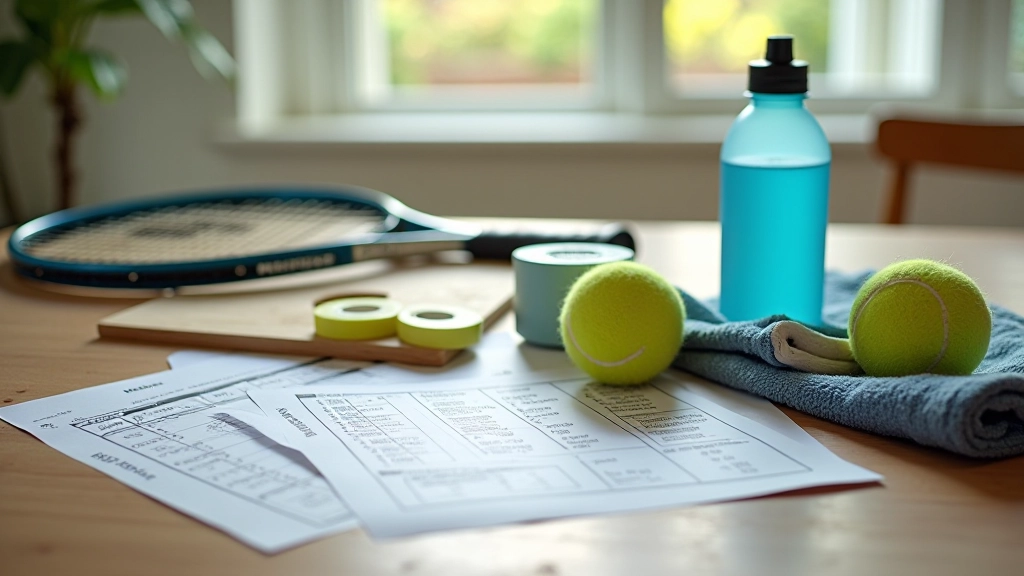
Phase 2: Tournament Day Arrival & Registration
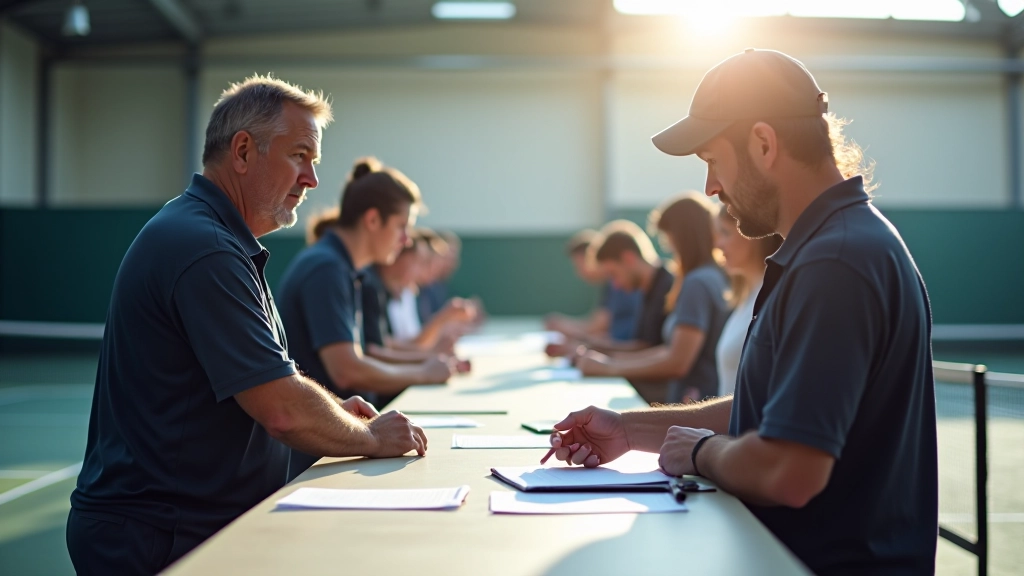
Arrive 90 minutes before your first match. Not 30 minutes, not an hour — 90 minutes. This gives you time to find parking, check in, walk the facility, and get your head right without rushing. Rushing creates anxiety, and anxiety kills performance.
When you register, verify your match time and court assignment. Ask the tournament director if there are any schedule changes. Get your opponent's contact info if available. Check in with your partner if it's a doubles event — confirm you're both ready and aligned on strategy.
Walk around the courts before your match. Notice court conditions, wind direction, sun position, and lighting. This takes 5 minutes but gives you real information. You'll adjust better once play starts because you already know what to expect.
Phase 3: Warm-Up Protocol (30 Minutes Before)
A proper warm-up isn't just hitting balls casually. It's structured and intentional. You're priming your body, building confidence, and testing court conditions.
01
Dynamic Stretching (5 minutes)
Arm circles, leg swings, torso rotations. Get blood flowing. This isn't deep stretching — that's for after. You want your muscles warm and ready to move explosively.
02
Light Court Movement (3 minutes)
Run baseline to baseline, side to side. No hitting yet. Just move and get comfortable on the court surface. You'll notice how the court plays differently than your practice facility.
03
Baseline Rally (10 minutes)
Start at three-quarter pace. Build into full pace gradually. Focus on finding your rhythm and getting a feel for the court conditions. Hit forehands, backhands, then mix them. Your shots don't need to be perfect — consistency matters more right now.
04
Serve Practice (8 minutes)
Hit 20-30 serves into the box. Not smashing — just smooth, controlled serves. You're building confidence and confirming your serve motion feels right. End with 3-4 harder serves to feel power.
05
Net Game (4 minutes)
For doubles, move to net. Hit some volleys and overhead practice shots. Get comfortable at the net where most points are decided. Confidence at net translates directly to better play.

Phase 4: Mental Readiness & Match Mindset
This is where most players fall short. You've done the physical prep, but mental readiness separates good performances from great ones. The 15 minutes before your match are critical.
Breathing & Centering
Sit for 2-3 minutes. Breathe slowly — inhale for four counts, exhale for four counts. This calms your nervous system. Your heart rate will drop. You'll feel steadier. Don't skip this because it feels simple. It works.
Visualize Success
Close your eyes. Picture yourself playing well. See yourself executing your serve, moving to net, winning key points. Don't picture winning the whole tournament — that's too big. Picture executing specific shots and winning individual points. That's concrete and achievable.
Identify Your Game Plan
What are you going to do? If it's doubles, you and your partner should discuss: serve placement, net positioning, communication signals. If it's singles, know your top three tactics — maybe aggressive first-serve percentage, moving opponent side to side, or coming to net on second serve. Simple, clear, executable.
Accept Nervousness
You're going to feel nervous. That's normal. Don't fight it or try to eliminate it. Recognize it as excitement. Your body is ready. Channel that energy into focus and intensity. Confidence doesn't mean zero nervousness — it means you're prepared enough to perform anyway.
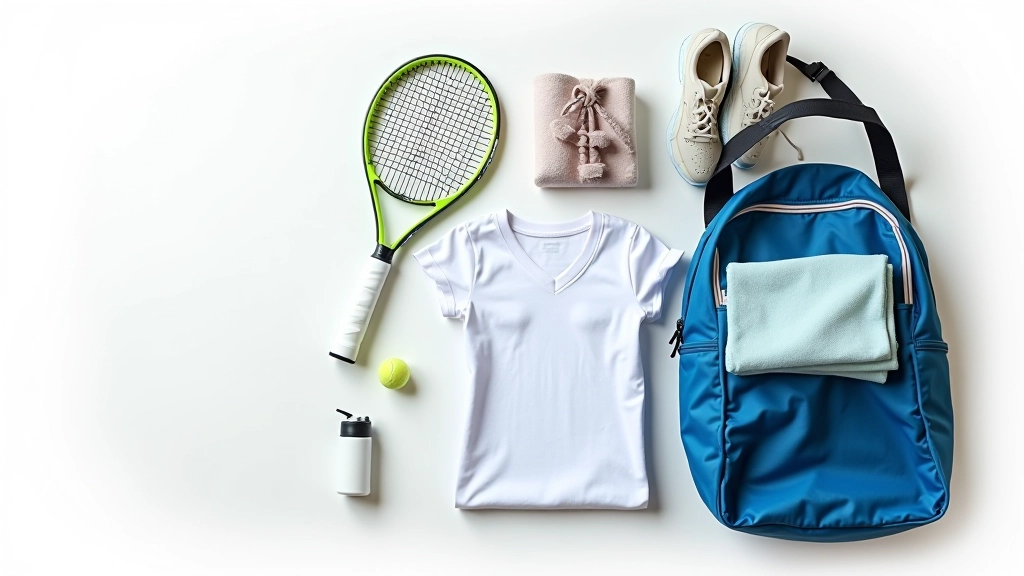
The Complete Tournament Day Packing List
Forget something important and you're stressed before you even play. Here's exactly what you need:
Equipment
- Two rackets (minimum)
- Fresh grip tape and replacement grips
- Tennis balls (if required by tournament)
- Strings and string kit (if you string)
Clothing & Shoes
- Three pairs of socks (moisture-wicking)
- Two shirts or tops
- Shorts (check tournament dress code)
- Tennis shoes (broken in, not new)
- Light jacket or sweater for warm-up
Essentials
- Water bottle (filled or refill plan)
- Towel (not tiny — you need actual towel)
- Sunscreen and hat
- Deodorant
- Phone and portable charger
- Tournament registration confirmation
Recovery & Comfort
- Energy bar or banana (fuel between matches)
- Electrolyte drink or coconut water
- Ibuprofen or pain relief
- Blister treatment
- Muscle rub or ice pack
Final Thoughts: You're Ready
Tournament day doesn't have to feel overwhelming. When you've prepared properly, you actually feel calm. You know you've done the work. Your equipment is ready, your body is loose, and your mind is focused. That's confidence.
Follow this checklist and you'll walk on court feeling genuinely prepared instead of hoping things work out. The difference shows immediately — sharper play, better decision-making, and honestly, way more enjoyment. You're not just playing — you're performing.
One more thing: be kind to yourself out there. Not every tournament goes perfectly. That's tennis. What matters is you showed up prepared and gave genuine effort. That's a win no matter what the scoreboard says.
Ready for Your Next Tournament?
Check out our other guides to keep improving your game and connecting with fellow players in your area.
Browse All Events & ResourcesAbout This Guide
This article provides educational information about tournament preparation and match day planning based on common practices in recreational tennis and pickleball. Specific circumstances, tournament rules, and individual needs vary. Always follow your tournament's official rules and guidelines. If you have any injuries or health concerns, consult with a medical professional before participating. This information is intended to help you understand general preparation strategies — not as medical, training, or competitive advice.