Beginner's Guide
Starting Pickleball as a Complete Beginner
Everything you need to know before your first lesson. Equipment, basic rules, common mistakes, and what to expect on day one.
Why Pickleball Is Perfect for Getting Started
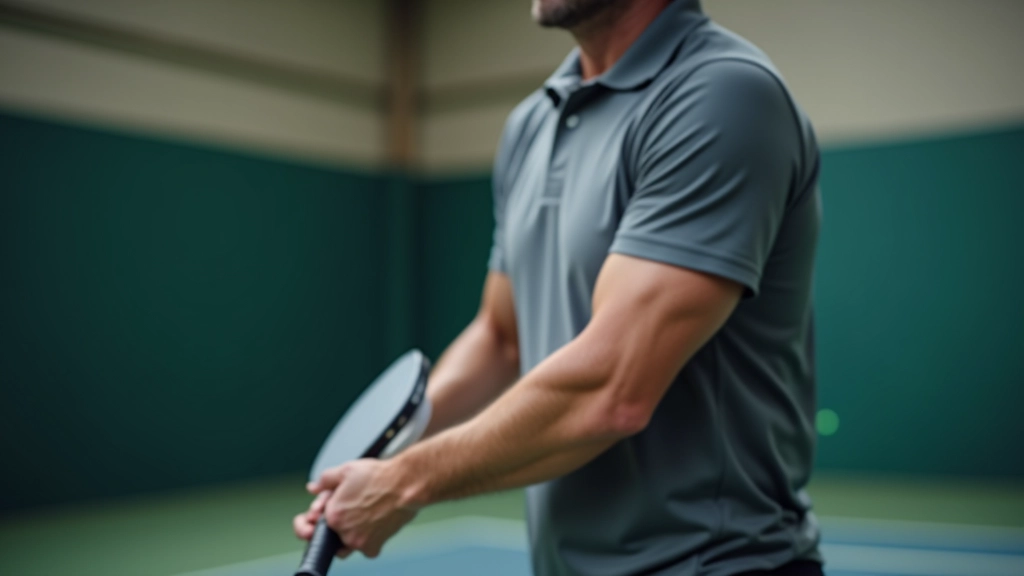
You've probably heard about pickleball by now. Maybe you've watched some friends play at a local court, or you've seen it trending at your tennis club. Thing is, it's not just a passing fad — it's a genuine sport that's genuinely fun, especially if you're getting back into racket sports after years away.
Here's what makes it different from tennis: the court's smaller, the paddle's lighter, and the ball doesn't bounce as aggressively. That means less running, less impact on your joints, and honestly, more time actually playing instead of chasing balls. We're talking about a sport where beginners can rally back and forth within their first session. You'll feel real improvement quickly.
If you're thinking about starting, you're asking the right questions. We've helped hundreds of players in the 40-60 age group get comfortable on the court. This guide covers what you actually need to know before that first lesson.
What You Actually Need to Bring
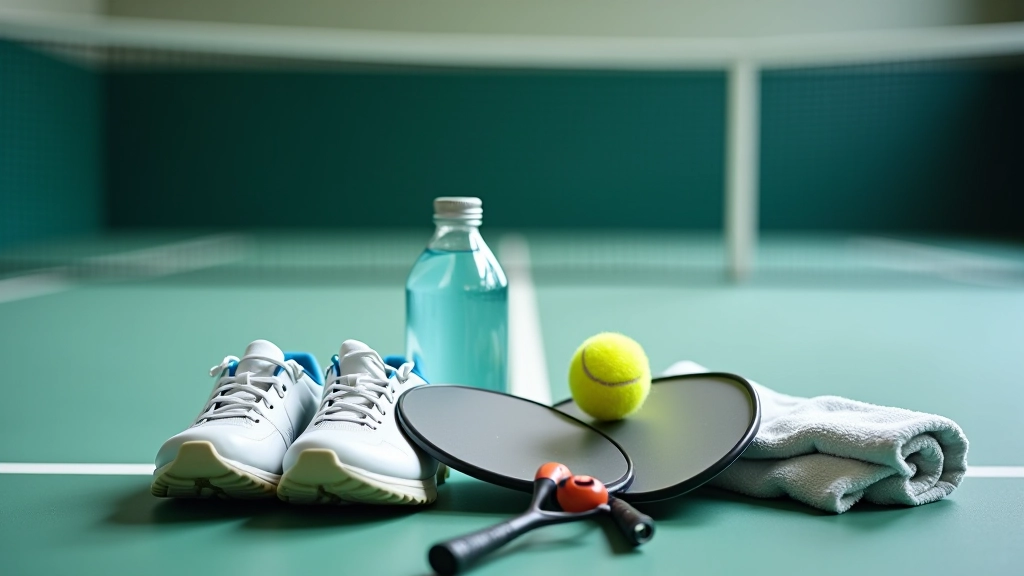
Don't overthink the gear. You don't need to buy everything before your first session. Most clubs have loaner paddles, so you can show up in regular athletic clothes and still have a great first experience.
Paddle
Budget option: $40-60. Mid-range: $100-150. Honestly, start with a loaner or borrow one. Once you've played 10-15 times, you'll know what weight and grip feel right for you.
Shoes
Court shoes or clean sneakers with good lateral support. Pickleball involves quick side-to-side movement, so avoid running shoes designed only for forward motion.
Clothing
Moisture-wicking shirt and shorts or athletic leggings. The court's climate-controlled but you'll still work up a sweat.
Extras
Water bottle (essential), small towel, and sunscreen if you're playing outdoors. Some players bring their own ball, but the facility usually provides them.
The Core Rules You Need to Know
Pickleball's scoring and serving system can feel weird at first, but it becomes natural after a couple sessions. Here's what matters on day one.
The Kitchen (No Cooking Required)
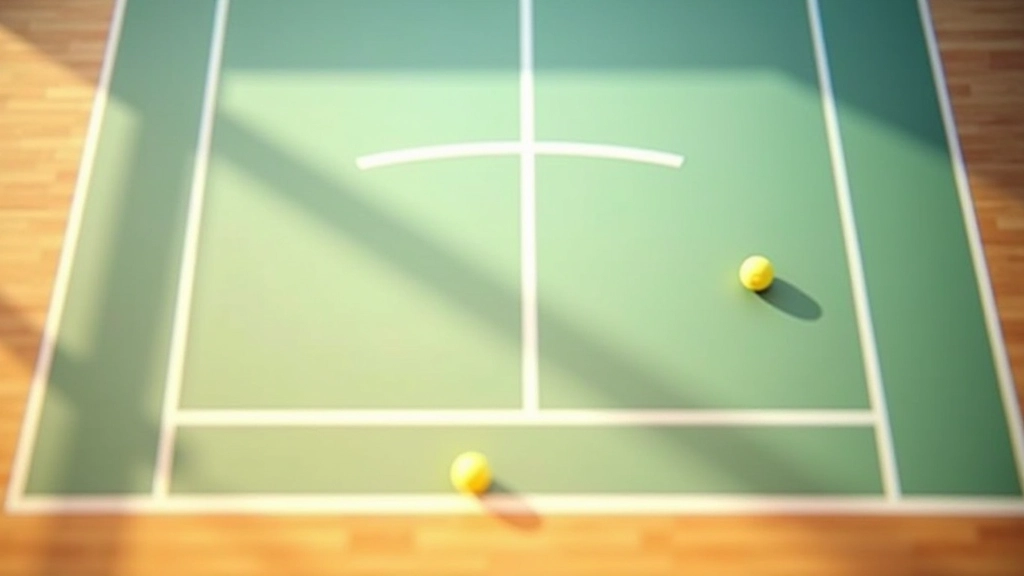
There's a 7-foot zone on each side of the net called the kitchen. You can't step into it while the ball's in play. The one exception: you can enter after the ball bounces once on each side. This rule keeps players from just camping at the net, which is what makes rallies interesting.
Serving and Scoring
Serves happen underhand and must land in the diagonal service box. Only the serving team can score points. Games go to 11 points, win by 2. It sounds simple until you're playing, then you'll understand why people get passionate about the rules.
Two-Bounce Rule
After the serve, the ball must bounce once on each side before anyone can hit it in the air. This keeps aggressive volleyers from controlling the entire point, which levels the playing field for beginners.
Common Mistakes Beginners Make (and How to Avoid Them)
Gripping Too Tight
Tension kills control. Your grip should be firm but relaxed — think "holding a bird" not "squeezing a tennis ball." You'll get better spin and feel if you ease up.
Staying Too Far Back
Beginners camp at the baseline. Smart players move forward after each shot. The net is where rallies are decided. You'll feel more in control closer to the net.
Hitting Too Hard
Power doesn't equal points in pickleball. Consistency does. Hit at 70% effort and focus on getting the ball in play. You'll win more rallies this way.
Not Watching the Ball
It's easier than tennis because the ball's slower, but you still need to track it. Keep your eyes on the ball until contact. Your body will follow.
Poor Communication in Doubles
Call "mine" or "yours" on every ball. Collisions aren't fun. You and your partner need to know who's hitting it, and you need to be loud about it.
Stepping in the Kitchen
It's the most common fault. The line's easy to miss in the moment. Stay aware of where you are relative to the kitchen line, especially during net play.
What to Expect on Your First Day
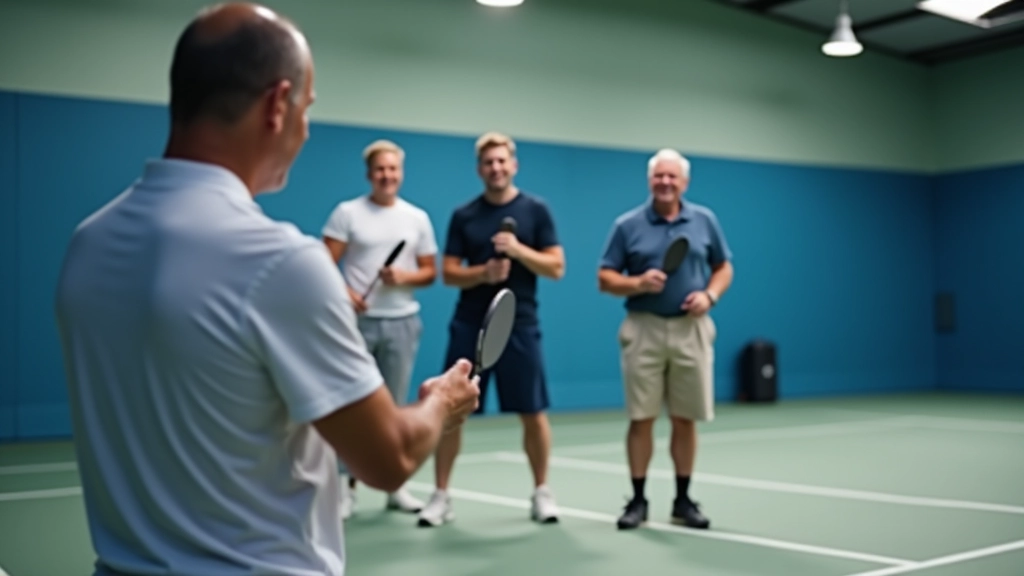
You'll probably arrive early, maybe 15 minutes before your lesson starts. That's smart. Shows up, check in with the instructor, and get comfortable with the space. Most facilities are welcoming and you'll see familiar faces if you show up regularly.
1
Introduction & Equipment (5 mins)
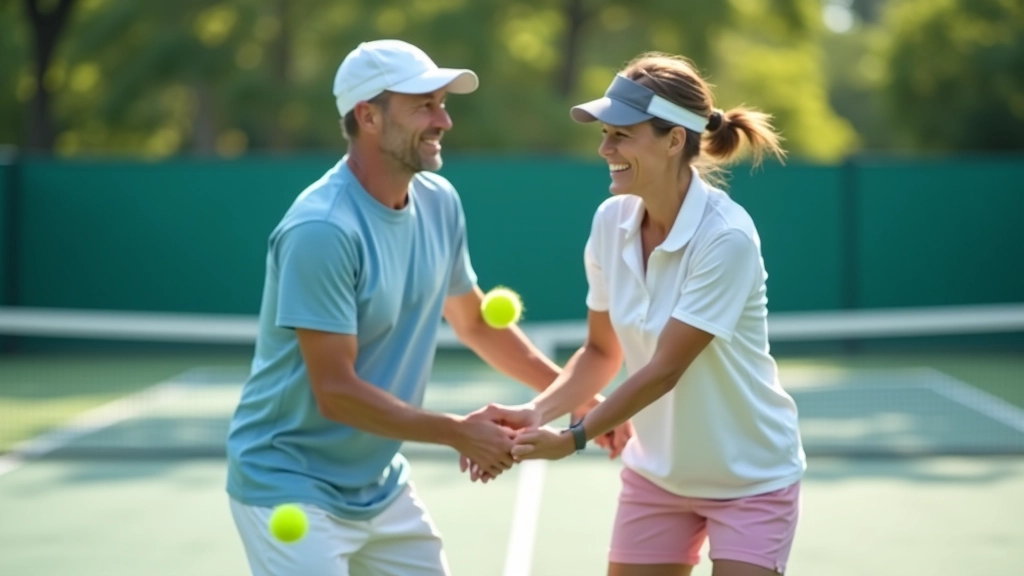
Get your paddle and shoes, meet your instructor and other beginners. Everyone's nervous. You're not alone.
2
Grip & Stance Drill (10 mins)
You'll practice holding the paddle and standing in ready position. It'll feel awkward. That's normal. Repetition fixes that.
3
Serve & Basic Strokes (15 mins)
Learn the underhand serve and forehand/backhand. You won't be smooth. Nobody is on day one. The instructor will correct your form.
4
First Rally Practice (15 mins)
You'll actually hit the ball back and forth with someone. This is where it clicks. You'll rally for 3-5 shots and feel genuinely accomplished.
5
First Mini-Game (10 mins)
A casual 2-on-2 or 1-on-1 to practice everything. Scores won't matter. You'll feel the sport start to make sense.
6
Cool Down & Questions (5 mins)
Hydrate, ask questions, plan your next session. You've just finished your first real pickleball lesson.
"I was honestly nervous walking in. Wasn't sure I'd be coordinated enough. But by the end I'd hit actual rallies and felt like I'd accomplished something real. Now I'm here three times a week."— Jennifer, first session March 2025
Your First Month: What Improves and When
You'll surprise yourself with how quickly you improve. Here's a realistic timeline based on what we see from players who show up consistently.
Week 1: Foundation
You'll get comfortable holding the paddle. Serves will be inconsistent. Rallies will be short (2-3 shots). You'll feel sore in places you didn't know existed. This is fine. Everyone goes through it.
Week 2: Confidence Building
Serves get more consistent. You'll hit longer rallies (5-8 shots). Your feet will start moving better. The paddle grip will feel natural instead of awkward. You'll start enjoying it instead of just surviving it.
Week 3-4: Real Skill
You can hit serves that go in consistently. Volleys start working. You're thinking about court positioning, not just hitting the ball. Rallies go 10+ shots regularly. You'll beat someone. You'll remember that moment.
Month 2+: Next Level
You're playing in regular court socials. You understand strategy. You know your strengths. You've made friends. You're thinking about joining a league. This becomes your thing.
Tips for Success Beyond Your First Lesson
You want to actually get good and keep playing. Here's what separates people who try it once from people who make it a regular part of their life.
Show Up Consistently
Three times a week beats five times in one week. Your body and brain learn through repetition. Missing two weeks sets you back. Consistency beats intensity every time.
Watch Better Players
Spend 10 minutes watching players who are a year or two ahead of you. You'll absorb movement patterns and shot selection without thinking about it. Your brain learns visually.
Find a Practice Partner
Someone slightly better than you keeps you honest. They'll call you out on technique, challenge you, and make the sport fun. Solo drills are useful. Playing with someone better is transformative.
Invest in Your Paddle After Session 15
After about 15 sessions, you'll know what weight, grip size, and feel work for you. That's when a decent mid-range paddle ($100-150) pays off. You'll hit better and enjoy it more.
Join the Social Games
Most courts have open socials on weekends. Start with the beginner times. You'll meet people, make friends, and get better faster than in lessons alone. The social part keeps you coming back.
Ask for Feedback
Better players usually love giving advice. Ask about your serve, your backhand, your positioning. Most people respond well to someone genuinely trying to improve.
Ready to Start Playing
You've got the knowledge now. You know what equipment you need, how the sport actually works, what mistakes to avoid, and what the first few weeks look like. That's more than most people know when they step on the court.
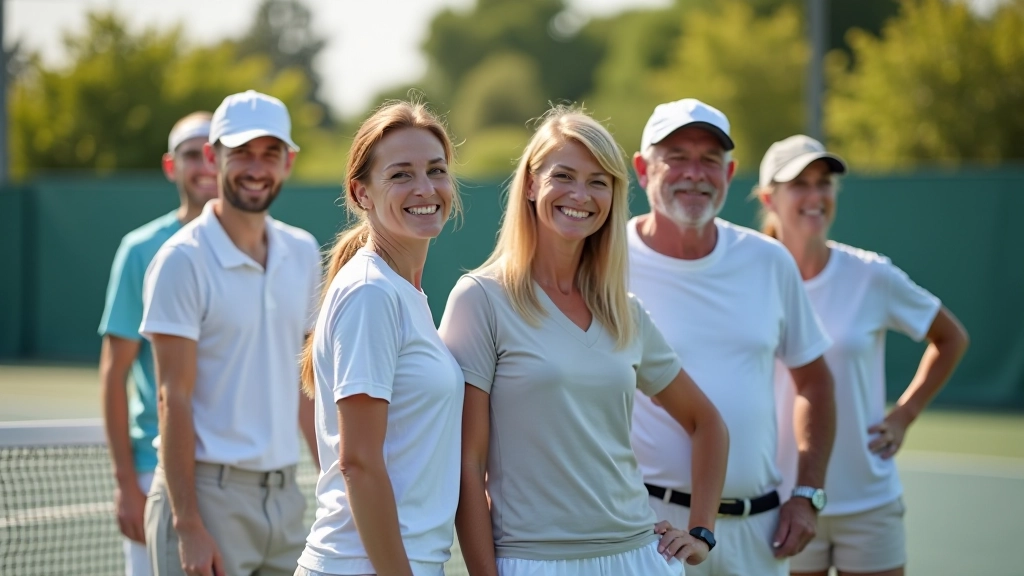
Here's the thing: everyone at the court was a beginner once. Nobody's judging. They're just glad you showed up. Most of the people you'll play with remember what it was like to not know the kitchen rule or how to serve. They'll help you. We're a community, not a competition — at least not until you want it to be.
So find a lesson near you, bring a water bottle, and show up ready to feel a little awkward for about 20 minutes. After that? You're playing pickleball. And you'll probably want to come back tomorrow.
What's Next?
Browse our event calendar to find beginner lessons and court socials in your area. Connect with other players, ask questions in our community forum, and join a league when you're ready.
Explore Pickleball EventsEducational Note
This article provides general information about starting pickleball as a beginner. Rules may vary by location and facility. Always consult with a qualified instructor before beginning any new sport or physical activity. If you have health concerns, consult with your healthcare provider. Individual results and learning timelines vary based on prior athletic experience and frequency of practice.
Related Articles